Posted by JRC Engineering on May 29th 2026
Motorcycle Oil and Clutch Friction | JRC Engineering Inc
Motorcycle Oil and Clutch Friction
What Oil Should I Use in My Primary Chaincase?
Choosing the right oil for your primary chaincase is one of the most common questions we get at JRC Engineering — and one of the most important. Using the wrong oil is the single most preventable cause of wet clutch slippage on vintage British motorcycles. Here’s everything you need to know.
The Rule: JASO-MA Oil for Unit Engines
For unit construction engines where the wet clutch and engine share the same oil, use a JASO-MA, JASO-MA2, or JASO-DH/L approved oil. These ratings confirm the oil does not contain the friction modifiers that cause clutch slip. You’ll find the JASO certification box on the back of the oil container, with an individual certification number.
Reference your service manual for the correct viscosity, fill quantity, and change schedule for your specific model.
Our recommendation: Shell Rotella has proven to be an excellent choice for vintage British machines over many years of use.
Which Oil for My Year? Pre-1970 vs. 1970-and-Later Triumph Twins
The year of your machine matters. Triumph made a significant engineering change in 1970 that affects which oil is safe to use:
- Triumph twins prior to 1970 used a timed breather and a seal on the crank. The engine and primary chaincase oils were separate, so ATF or a straight engine oil could be used in the primary without harm.
- From 1970 onward, Triumph vented crankcase gases through the left-hand crank bearing into the primary chaincase. Engine and primary now share a common oil supply. You must use a JASO-MA engine oil — ATF in this application would be harmful.
When ATF Is Acceptable
Automatic Transmission Fluid can be used in the primary cases of machines that use separate oils for the engine, primary, and gearbox — typically pre-1970 Triumph twins and pre-unit British bikes.
JRC clutches operate correctly with any ATF on the market. Ford “Type F” fluid gives a more positive clutch engagement and is well suited to competition riding.
What Not to Use: JASO-MB Oils
Do not use JASO-MB rated oils in any motorcycle with a wet clutch. MB is the lowest friction classification among motorcycle four-cycle oils. These oils contain friction modifiers specifically designed to reduce clutch engagement — the opposite of what a wet clutch requires. Using MB oil will cause clutch slippage regardless of the condition of your friction plates.
If your clutch is slipping and you’ve recently changed oil, check the JASO rating on your oil container first. It’s a very common cause of the problem.
Clutch Plate Inspection and Installation
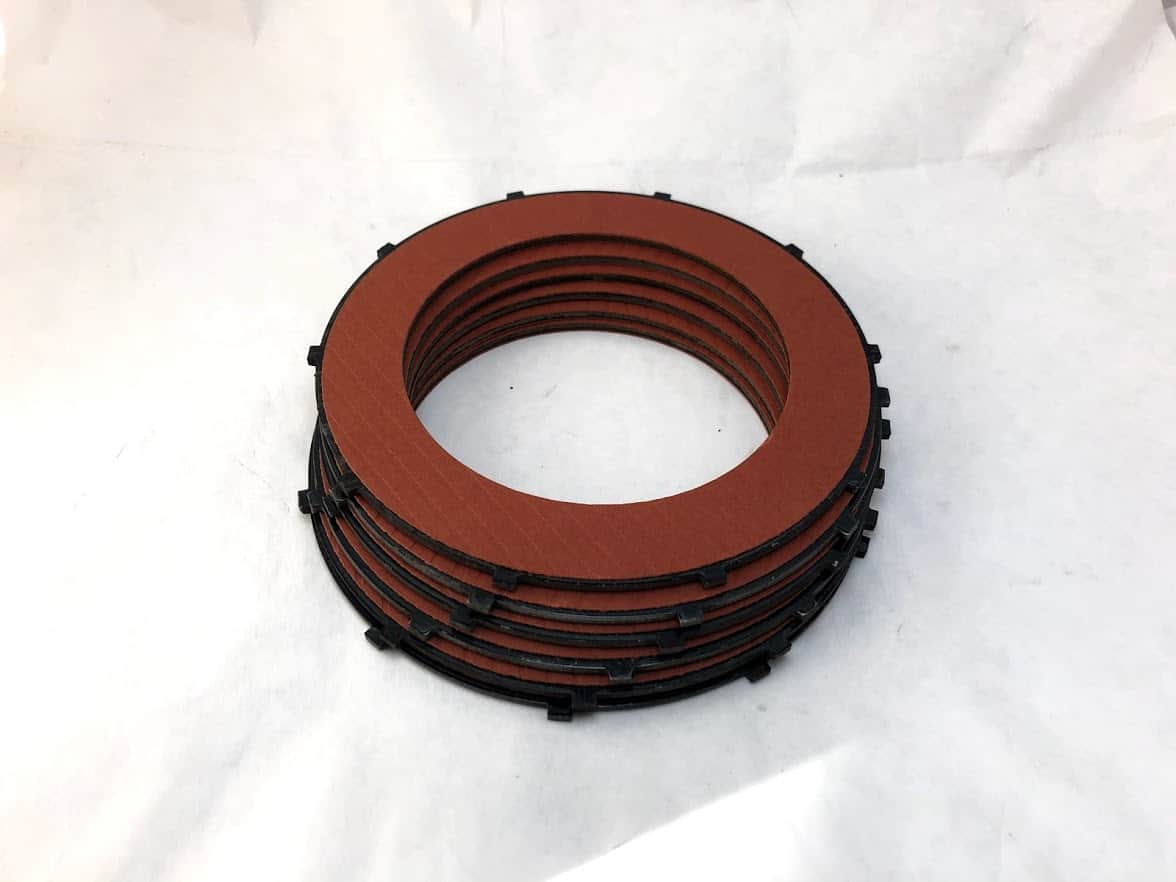
Oil choice alone won’t fix a clutch with worn or damaged friction plates. Inspect the clutch assembly thoroughly before reassembly — worn plates will slip regardless of oil grade.
JRC clutch plates can be used in wet, moist, or dry applications:
- Wet application: Soak clutch plates in oil for 10 to 15 minutes before installation.
- Moist application: Soak for 10 to 15 minutes, then wipe with a lint-free cloth before fitting.
- Dry application: Install directly from the box — no soaking required.
Quick Reference Summary
- Unit engines, shared oil (Triumph 1970+, most BSA unit twins): JASO-MA / MA2 engine oil. Shell Rotella recommended.
- Separate primary chaincase (pre-1970 Triumph, pre-unit bikes): ATF or JASO-MA engine oil. Ford Type F for competition.
- Never use: JASO-MB oils, car engine oils with friction modifiers, or any oil without a wet-clutch compatible certification.
Shop Clutch Parts at JRC Engineering
We stock over 130 clutch components for Triumph, BSA, Norton, and Velocette — including friction plates, plain plates, complete clutch kits, springs, and hardware from LF Harris, SRM Engineering, Andover, and Kibblewhite.
Not sure which clutch plates fit your machine? Contact our team — we’ve been supplying vintage British motorcycle parts for over 40 years.