Posted by JRC Engineering on Jun 2nd 2026
Triumph 650 4-Speed Gear Interchange Guide | JRC Engineering
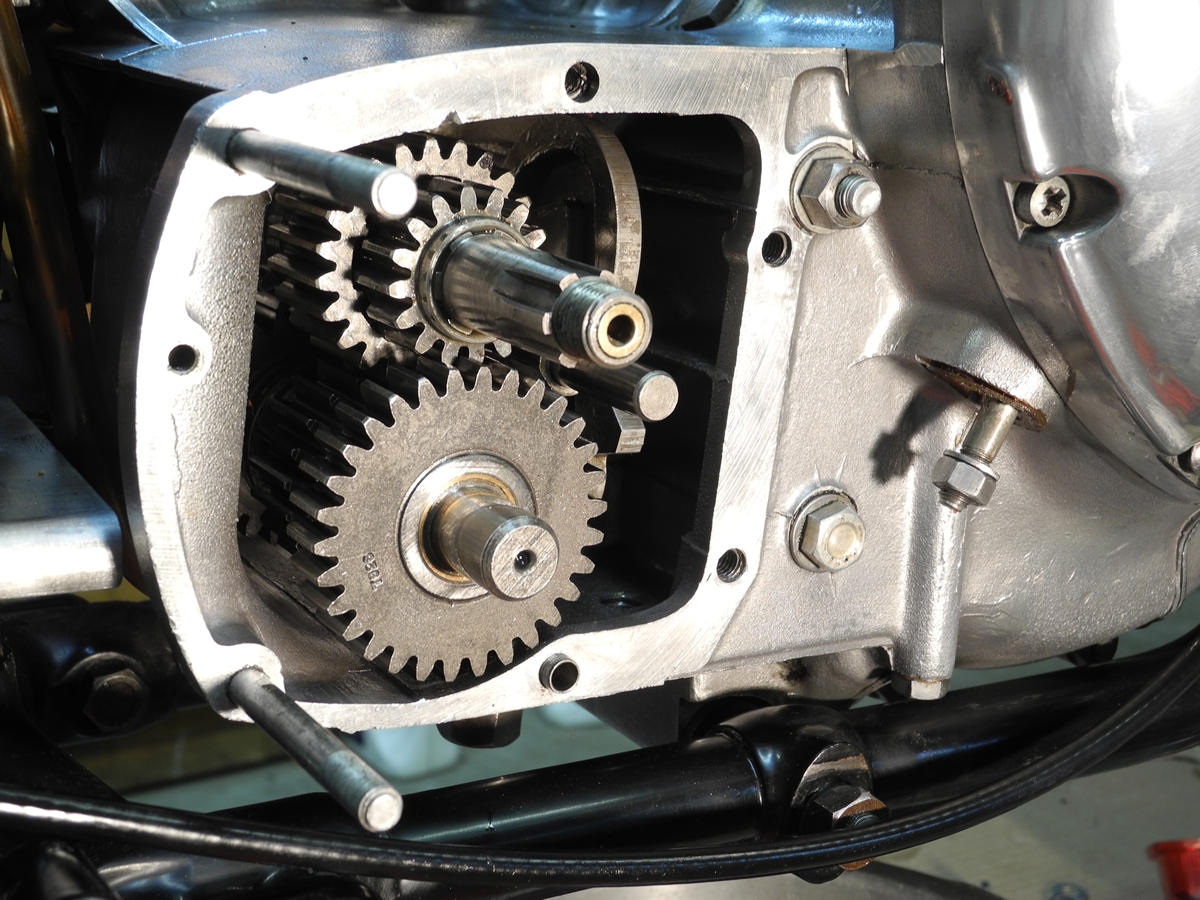
Triumph 650 4-Speed Gear Interchange: Meriden vs BSA Production
Finding replacement gears for a Triumph 650 unit 4-speed gearbox is never straightforward. Only a handful of gears are still produced new, so most rebuilds rely on used parts — and that is where compatibility problems begin. In 1969, Triumph shifted all gear production from the Meriden factory to the BSA plant in Birmingham. That move changed how the gears were machined, and mixing production-era parts can leave you with a box that will not go together correctly, or worse, one that fails on the road.
This guide explains the difference between Meriden and BSA-produced gears, how to identify which type you have, and how to use the JRC gear interchange chart to find compatible replacements for your Triumph T120 Bonneville, TR6, T100, or other 650 twin.
The 1969 Production Change: Meriden vs Birmingham Gears
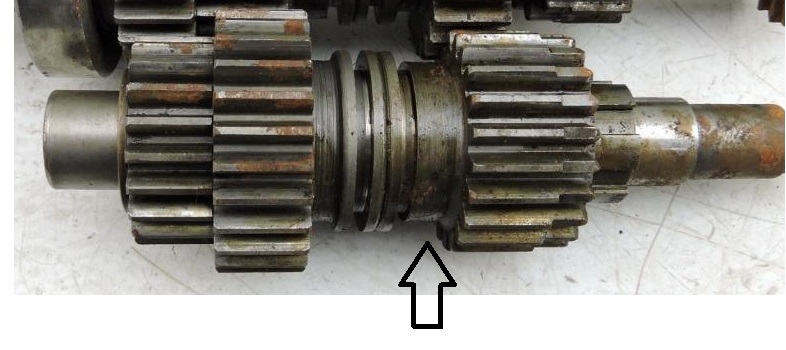
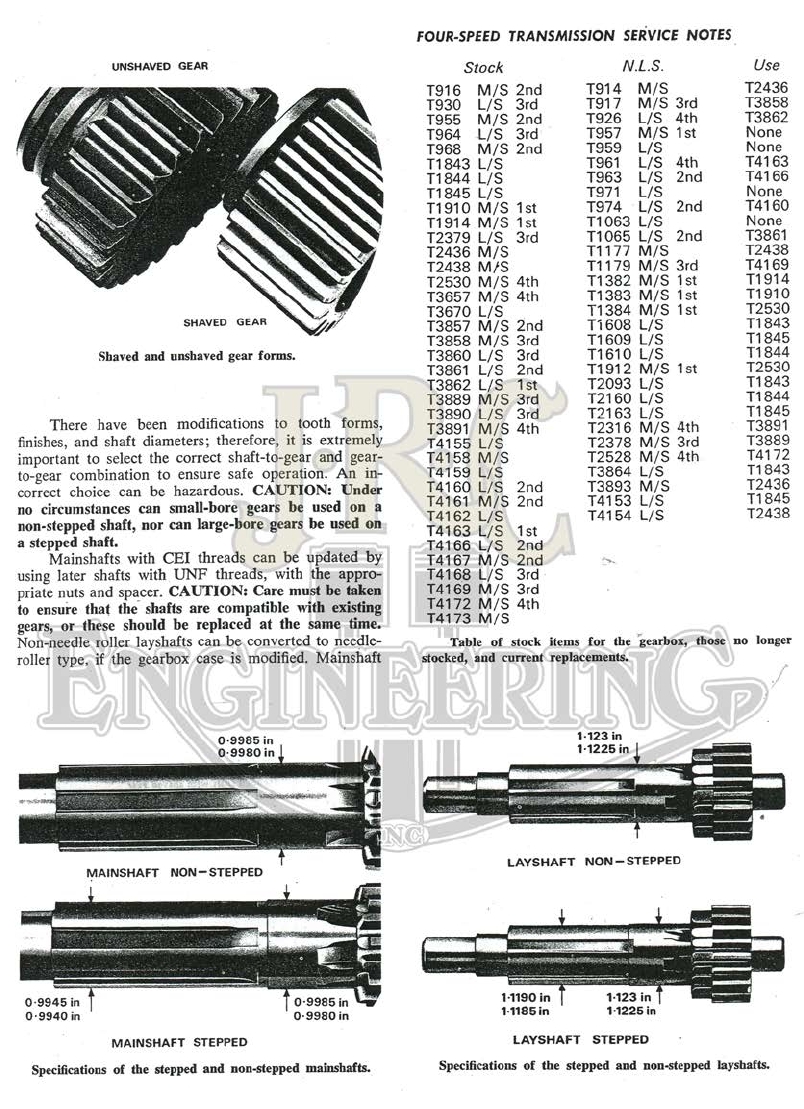
The root of the compatibility issue is a shaft dimension change. Triumph's original engineering drawings specified a stepped mainshaft and layshaft — a reduced-diameter section where each gear slides onto the shaft. This step acts as a positive locator and keeps gears precisely positioned.
When BSA took over production, their engineers viewed the step as an unnecessary machining operation. They revised the drawings to produce a non-stepped (plain-bore) shaft — simpler to machine, faster to produce, and cheaper. The trade-off landed on every rebuilder who has reached into the used-parts bin since.
The two shaft types require gears with matching bore profiles:
- Meriden gears (small-bore) — machined to fit the stepped shaft; have a reduced inner bore that seats against the shaft shoulder. These gears have the part number (T×××) etched into the edge of the gear.
- BSA/Birmingham gears (large-bore) — machined for the plain shaft; no part number etched on the gear edge.
The rule is absolute: small-bore Meriden gears cannot be used on a non-stepped shaft, and large-bore BSA gears cannot be used on a stepped shaft. There are no exceptions. If you are sourcing a replacement gear, you must first identify which shaft type is in your gearbox and match accordingly — or replace the shafts at the same time as the gears.
How to Identify Your Gears: Shaved vs Unshaved
Beyond the bore difference, Triumph 650 gears also fall into two tooth-profile categories: shaved and unshaved.
Unshaved Gears
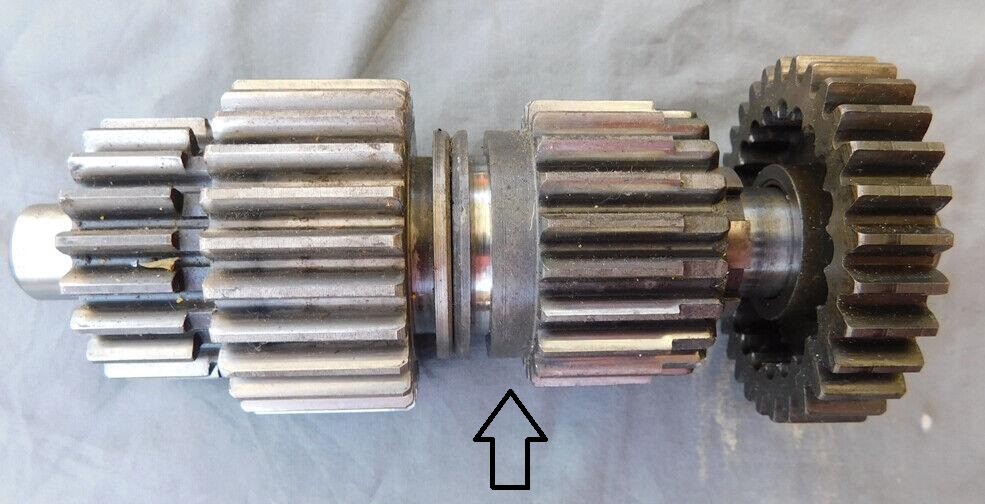
Unshaved gears have a standard hobbed tooth profile. These are the earlier type and are identifiable by the rougher, less precisely finished tooth faces.
Shaved Gears
Shaved gears have a secondary machining operation applied to the tooth faces, resulting in a smoother, quieter mesh. These are the later production type. Shaved and unshaved gears of the same bore type will generally interchange on the shaft, but always verify with the chart below.
Gear Interchange Chart
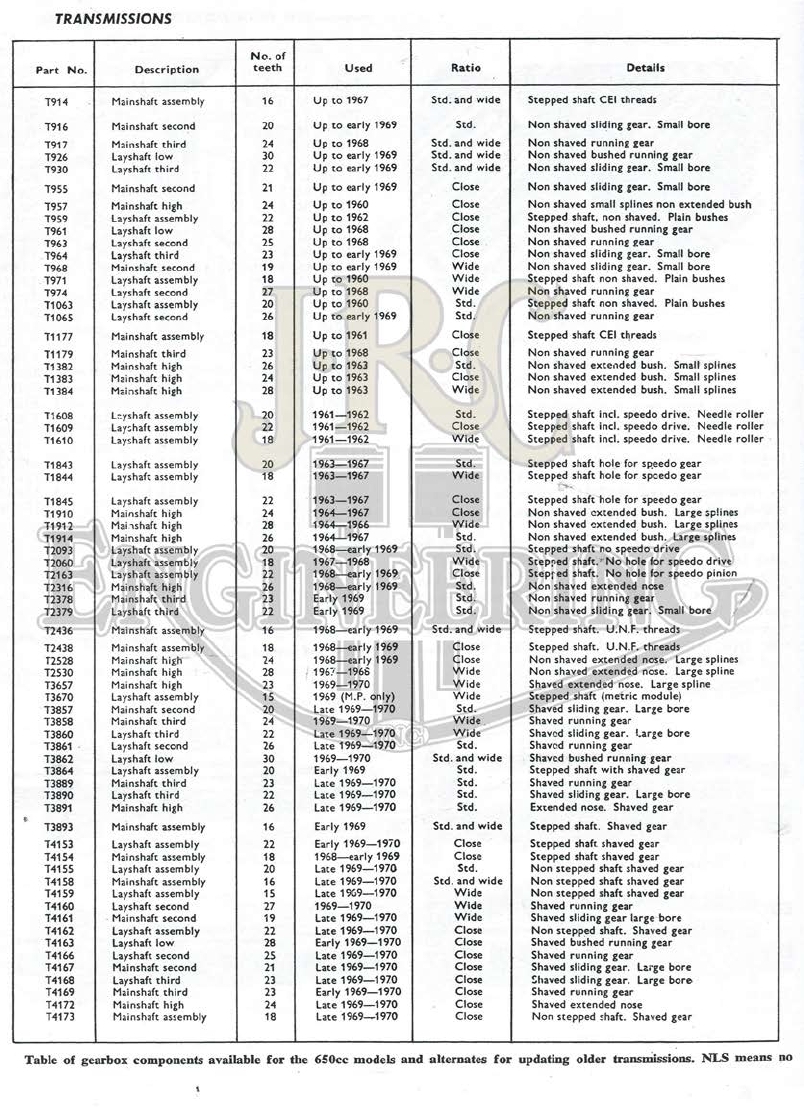
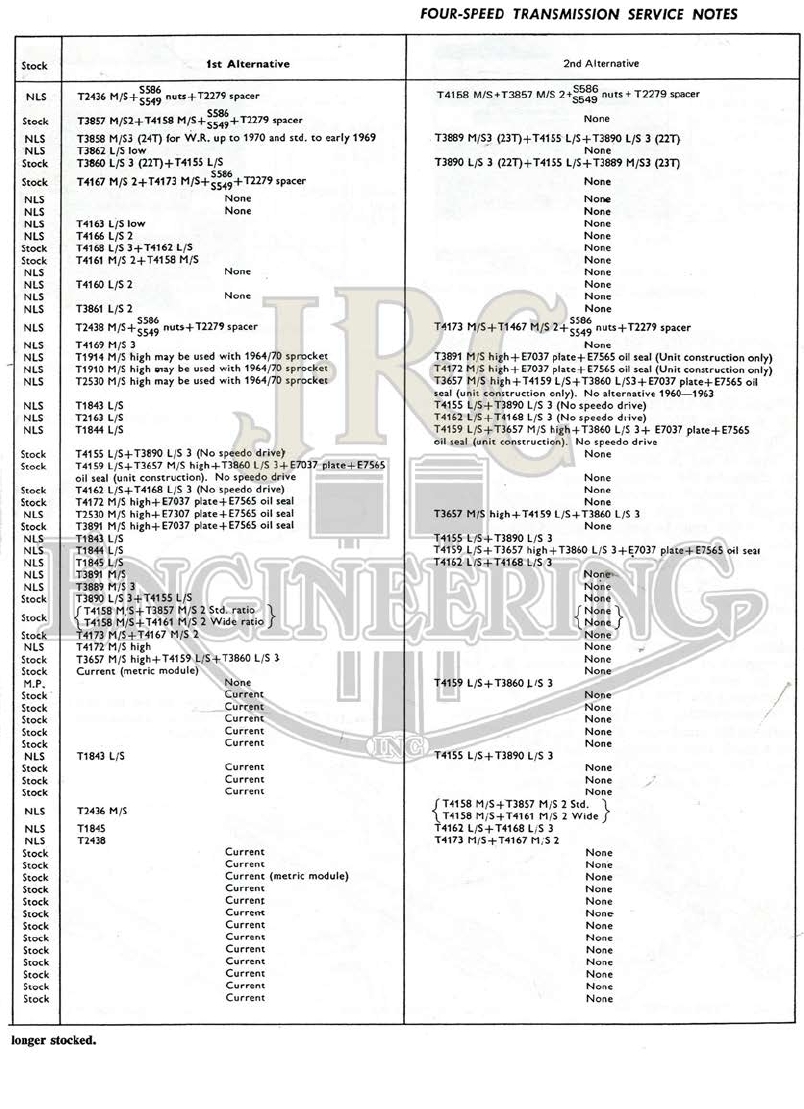
The JRC Engineering gear interchange chart lists every gear in the Triumph 650 unit 4-speed gearbox, its original part number, and all known compatible alternatives — including used, NOS, and substitute part numbers from both production eras. Use it before ordering any replacement gear.
Download the full chart as a PDF
Quick Reference: Key Compatibility Rules
| Gear Type | Identification | Compatible Shaft | Production Era |
|---|---|---|---|
| Small-bore (Meriden) | T×× part number etched on gear edge | Stepped shaft only | Pre-1969 (Meriden) |
| Large-bore (BSA/Birmingham) | No number on gear edge | Non-stepped shaft only | 1969+ (Birmingham) |
Workbench Reference: Wall Chart
We also produce this interchange guide as a laminated wall chart (part number 99-0922) — sized to hang above your workbench so it is always visible during a rebuild. No more hunting for the PDF mid-job.
Shop Triumph 650 Gearbox Parts
JRC Engineering stocks gearbox gears, mainshafts, layshafts, selector forks, bearings, and seals for the Triumph 650 unit twin. With 43+ years in the vintage British motorcycle trade and over 12,000 part numbers in stock — including exclusive tooling on 450+ parts — we carry items that simply are not available elsewhere.
Need help determining which gears or shafts are correct for your gearbox? Call us at 951-940-5411 — we are happy to work through the interchange with you before you order.
Frequently Asked Questions
How do I tell if I have Meriden or BSA-production Triumph gears?
Look at the edge face of the gear. Meriden-produced gears have a part number beginning with "T" (for example, T2246) etched or stamped into the edge. BSA/Birmingham gears have no number on the gear edge. This is the fastest on-bench identification method.
Can I mix Meriden and BSA gears in the same Triumph gearbox?
No. Meriden small-bore gears require a stepped mainshaft or layshaft. BSA large-bore gears require a non-stepped shaft. You must match gears to shaft type throughout the box. Mixing types will prevent correct assembly or cause gear failure.
When did Triumph switch gear production from Meriden to BSA?
Triumph transferred gear production to the BSA factory in Birmingham in 1969. Gearboxes assembled before 1969 will generally have Meriden stepped-shaft components; post-1969 units will generally have BSA plain-bore components, though used replacement gears from either era may have been fitted at any time.
What is the difference between shaved and unshaved Triumph gears?
Shaved gears have a secondary finishing operation on the tooth faces that produces a smoother, quieter mesh. Unshaved gears have a standard hobbed profile. Both types were used in the Triumph 650 4-speed gearbox. Refer to the JRC gear interchange chart to confirm compatibility before mixing shaved and unshaved gears.
Does JRC Engineering sell Triumph 650 gearbox gears?
Yes. JRC Engineering stocks gearbox gears, mainshafts, layshafts, selector forks, bearings, and seals for the Triumph 650 unit twin. Browse our Triumph parts catalogue or call 951-940-5411 for help identifying the correct parts for your gearbox.