
Posted by JRC Engineering on Jun 2nd 2026
Which Way Do I Install an Oil Seal? | Triumph Motorcycle Guide | JRC Engineering
Which Way Do I Install an Oil Seal?
It's one of the most common questions we get here at JRC: which way do I install this oil seal? Get it backwards and you'll be chasing a leak — or worse, losing oil pressure you didn't know you'd lost. The good news is there's one rule that covers every application.
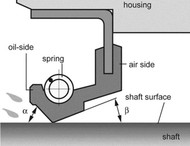
The spring side always faces the oil.
That's it. The recess and internal spring are what keep the lip loaded against the shaft. Point them toward the fluid you're trying to contain, and the seal works the way it's designed to. Here's how that plays out across the specific seals on a classic Triumph twin.
Crank Seal — Drive Side / Primary Side
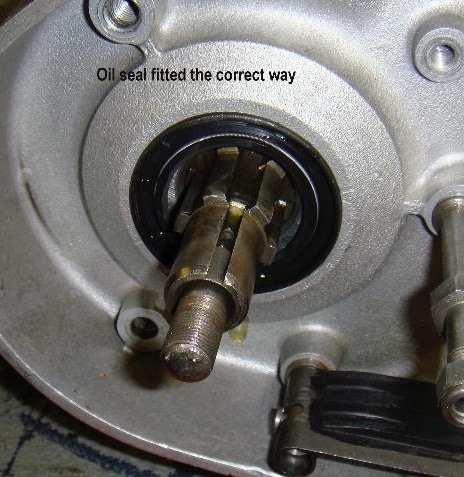
The drive-side crank seal retains the oil level in the primary/chain case. Because the oil you're containing is on the primary side, the spring faces outward — toward the primary cover.
The seal rides on the shoulder of the engine sprocket. Install it with the spring pointing into the primary case, seated squarely in its bore. A crooked seal will leak no matter which way it's facing.
Timing Cover Seals — Feed Seal and Points Seal
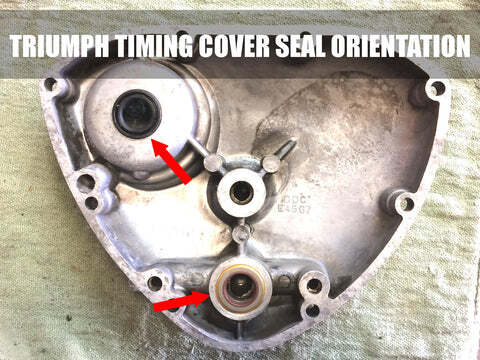
The timing cover contains two seals that face opposite directions — and mixing them up is one of the more expensive mistakes you can make on a unit Triumph.
The timing side crank oil feed seal retains oil pressure inside the cover. Oil is on the inside, so the spring faces inward.
The points seal has the opposite job: it's keeping oil away from the contact breaker. Because the oil is on the engine side and you want the seal to block it from reaching the points, this one installs in reverse — spring facing out, away from the points cavity.
Gearbox Seal
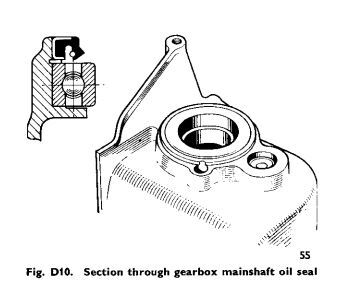
Gearbox seals contain gear oil, so the spring goes toward the inside of the gearbox. The lip faces in, the flat back of the seal faces out. A leaking gearbox seal usually shows up as oil weeping from the mainshaft or layshaft end — if that's where you're losing it, check seal orientation before assuming worn shafts.
Magneto Seal
Magneto seals keep oil out of the magneto and sealed inside the engine case. The oil is in the engine, so the spring faces the engine side — inward toward the crankcase. This is the same logic as the gearbox: contain what's on the inside.
What Happens If You Install It Backwards?
Installing an oil seal with the spring facing the wrong way doesn't just cause a slow leak — it can invert the lip under pressure and fail catastrophically. On the timing cover feed seal in particular, a reversed seal can cut your oil pressure by half or more. The seal may appear to seat correctly and hold briefly before failing under operating temperature and pressure. If you've recently done seal work and are seeing unexplained oil pressure loss or leaks, orientation is the first thing to check.
Quick Reference: Triumph Oil Seal Orientation
| Seal Location | Oil Side | Spring Faces |
|---|---|---|
| Drive side crank (primary) | Primary case | Outward toward primary |
| Timing cover feed seal | Inside timing cover | Inward toward cover |
| Points seal | Engine side (oil stays out) | Outward (reversed vs. feed seal) |
| Gearbox seal | Inside gearbox | Inward toward gearbox |
| Magneto seal | Engine case | Inward toward engine |
Frequently Asked Questions
How do I tell which side has the spring?
Look at the seal face-on. The side with the visible recess or groove — and the metal garter spring sitting inside the lip — is the spring side. The flat, smooth side is the back. Spring side goes toward the oil.
Can I reuse an oil seal after removal?
No. Once a lip seal has been removed from its shaft it's considered spent. The lip conforms slightly to the shaft surface during use and won't seal reliably if reinstalled, even if it looks undamaged. Always fit a new seal.
Does the rule change for double-lipped seals?
Double-lipped seals have a primary lip (with the spring) that contains oil, and a secondary dust lip on the outboard side that keeps contamination out. The same orientation rule applies — primary spring toward the oil.
My seal feels tight going in. Should I use sealant?
A light smear of clean oil on the outer casing is fine and makes seating easier. Avoid heavy sealants on the OD — they can prevent the seal from seating squarely. Press or tap the seal in evenly using a flat driver or correct-sized socket to avoid cocking it in the bore.
What's the right part number for my Triumph?
Use the search on our site with your original Triumph part number or machine year and model — we stock seals for pre-unit and unit singles and twins. If you're not sure, contact us with your engine number and we'll point you to the right seal.