
Posted by JRC Engineering Inc. on Jun 15th 2026
Wet Sumping Fix — Triumph, BSA & Norton | JRC Engineering Inc
If you have owned a British motorcycle for any length of time you will be familiar with the term "wet sumping." This tech article focuses on Triumph, BSA, and Norton motorcycles. The basic principles can be applied to any dry sump system.
Wet Sump vs Dry Sump: Understanding the Difference
In this article, a sump is the lowest part of an engine crankcase where oil drains to.
Wet sump means the crankcase is used as the oil reservoir. This is common to most modern four-stroke motorcycles and automobiles. Royal Enfield was the only British machine that comes to mind using a wet sump design. In a wet sump engine, oil circulates inside the engine and returns by gravity to the lowest point. The main advantage is simplicity. The disadvantage is that the engine must be larger to house the oil sump.
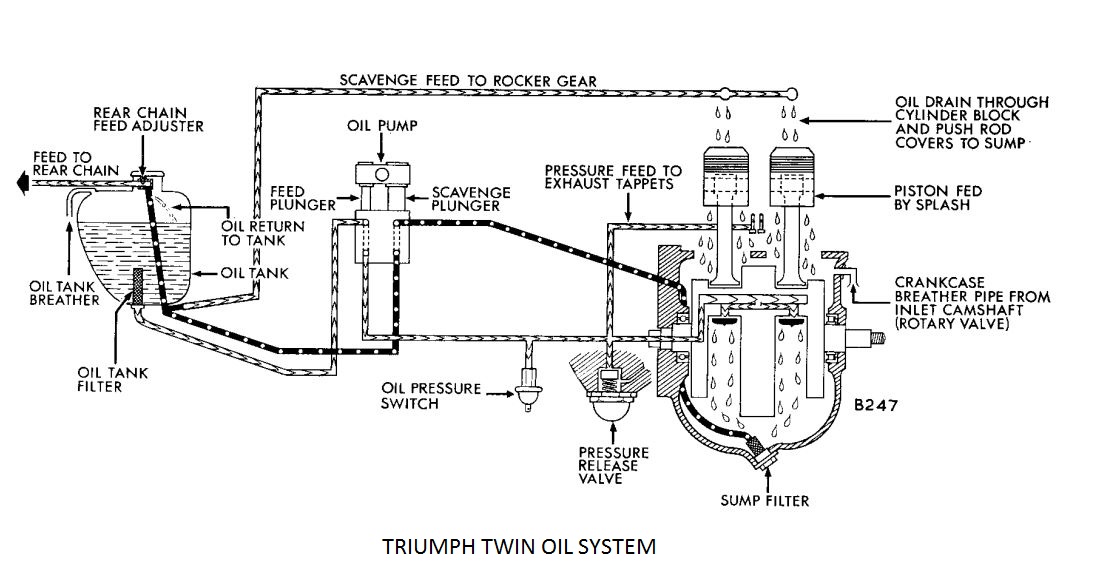
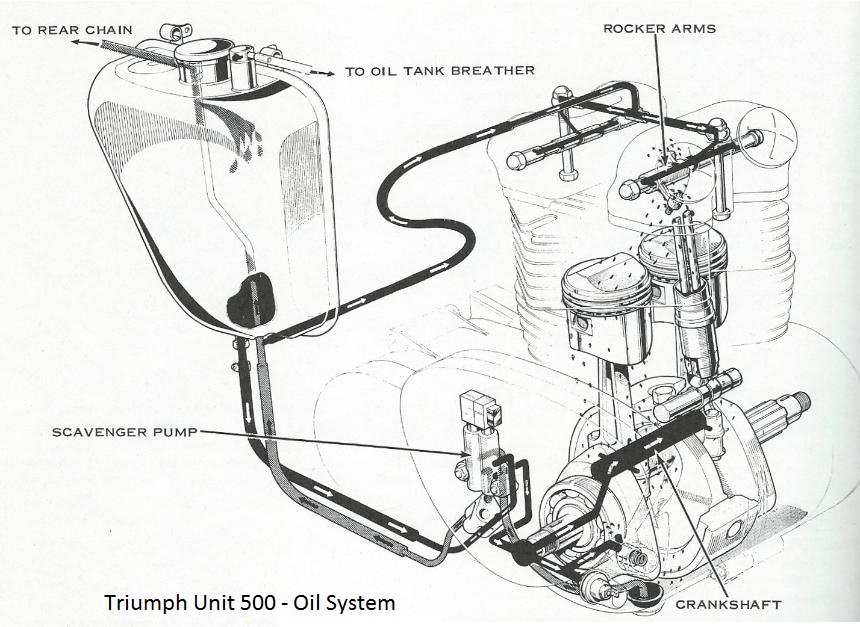
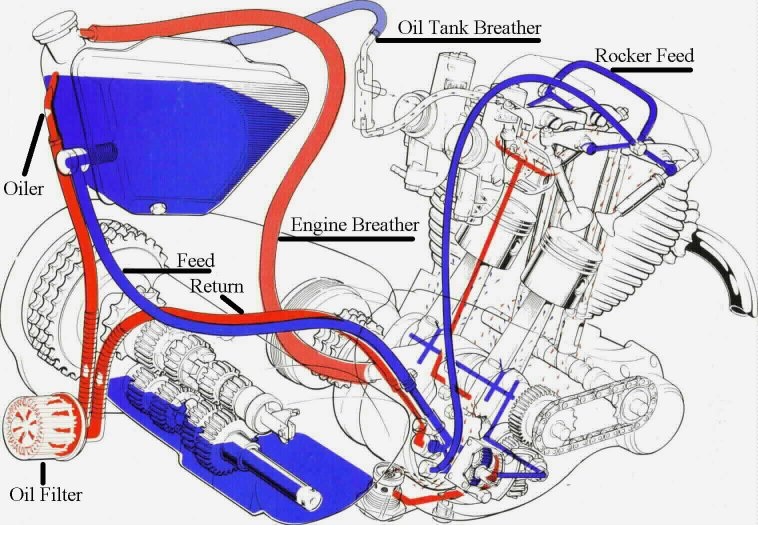
Dry sump means an external oil tank is used as the oil reservoir — very little oil collects in the crankcase, hence "dry sump." Oil is fed mostly by gravity from the tank to the engine. A pump circulates oil; the scavenge or return side of the pump returns oil to the external tank via a metal tube in the sump. On its way back, some pressure is bled off to feed the top-end rockers. Advantages: reduced engine size and cooler-running oil stored externally. Disadvantage: complexity — the pump must supply oil to the engine and return it to the tank.
What Causes Wet Sumping?
The term "wet sumping" describes when oil fills the crankcase of a dry sump system. Symptoms are typically excessive smoking and oil coming out of the engine breather tube.
There are two causes:
- Oil is not returning to the tank (poor scavenge)
- Oil is seeping through the pump while the engine sits unused
Both are oil pump related issues.
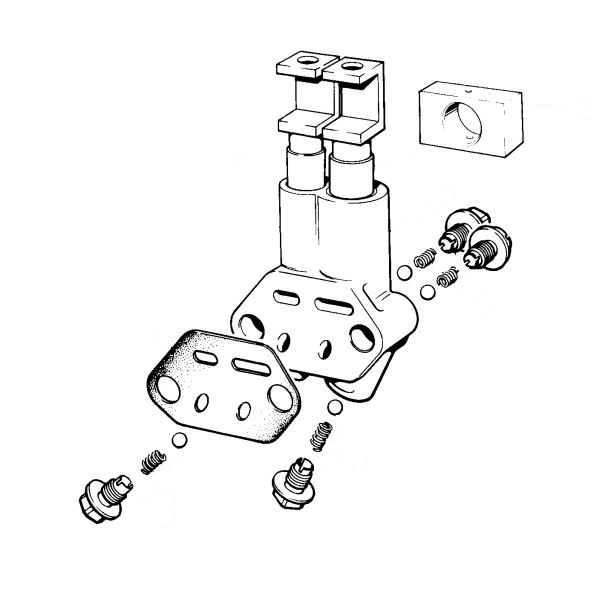
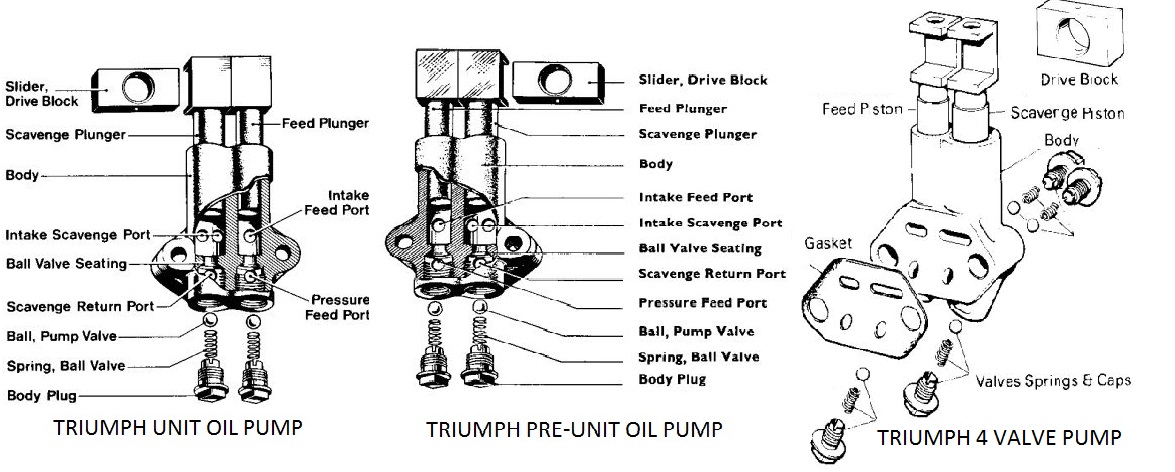
The oil pump is the heart of any engine — if it is worn out it will not perform its job. For the three makes covered here, two types of pump are employed:
How to Check for Wet Sumping
With the engine running, look inside the oil tank. You should see oil returning from the froth tower near the cap — it may not be a steady stream, but intermittent every few seconds. If no oil is returning, shut the engine off and investigate. Removing the crankcase drain plug is the dead giveaway: no more than a few ounces should be found in the sump.
Triumph Plunger Pump
On a Triumph, the issue is usually debris in the oil pump. Even a small piece of debris can prevent the check balls from seating. Triumph 650/500 Unit and Pre-Unit models both use two check balls. 750 twins use the same two-ball design until 1979, when the four-ball pump was introduced. The Triumph Cub also uses four check balls.
You might notice that the scavenge and return plungers were reversed when the Unit engine was introduced. The scavenge side plunger is usually larger. This side of the pump should be examined for wear if oil is not returning to the tank. On an engine with chronic wet sumping, checking the feed check ball(s) and scavenge side plunger is the best place to start your investigation.
The four-ball T140 pump can be used on 650 Unit motors with slight modification to the inside of the timing cover. Having two extra check balls helps control sumping.
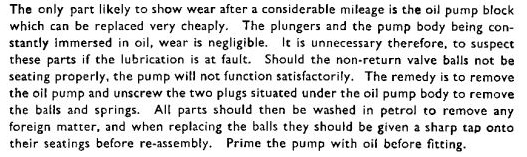
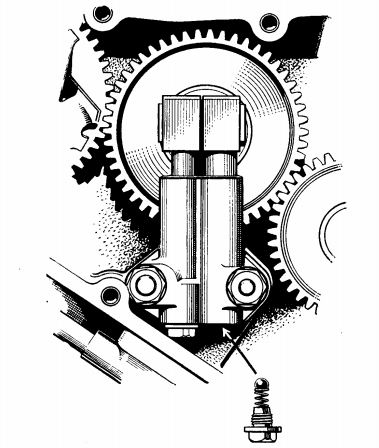
Below are the factory manual instructions for seating the check balls in a plunger style pump:
Pre-Unit Triumph and 500 Unit Models
If a new pump fails to solve the problem, the pickup tube may not be sealing in the case. This will require splitting the crankcases to renew the O-ring that seals the pickup to the case oil passage. This is not a common occurrence, but worth mentioning — explore this only if all other avenues have been exhausted.
Norton and BSA Rotary Oil Pump
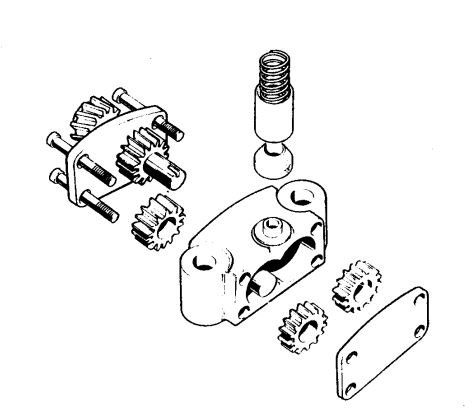
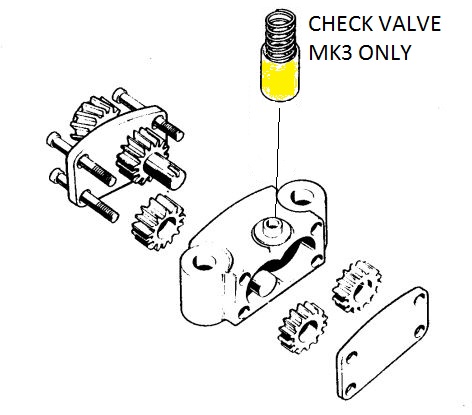
BSA twins employed a single ball and spring non-return valve on the feed side of the pump. Norton only introduced this on the MkIII models. In both machines, worn pump bodies tend to cause wet sumping over time. Both BSA and Norton pumps are now being reproduced to higher-than-factory tolerances, which eliminates most wet sumping issues. A bike that sits for extended periods may still collect some oil in the crankcase.
Anti-Sump Valve: The Long-Term Fix
In all cases where wet sumping is an ongoing issue, we recommend our inline Anti-Sump Valve. It installs in the feed line before the engine. The valves are designed so that very little negative pressure (3–5 psi) is required to open them.
Note: the anti-sump valve will not help a worn-out pump return oil to the tank. If the pump cannot scavenge oil, it still needs replacement.
Oil Pressure Specifications
A dealer pressure and vacuum tool was manufactured in the USA for Triumph by Dunleer. A replica of this tool is available upon special request — contact us for details.
Triumph Twin oil pressure data:
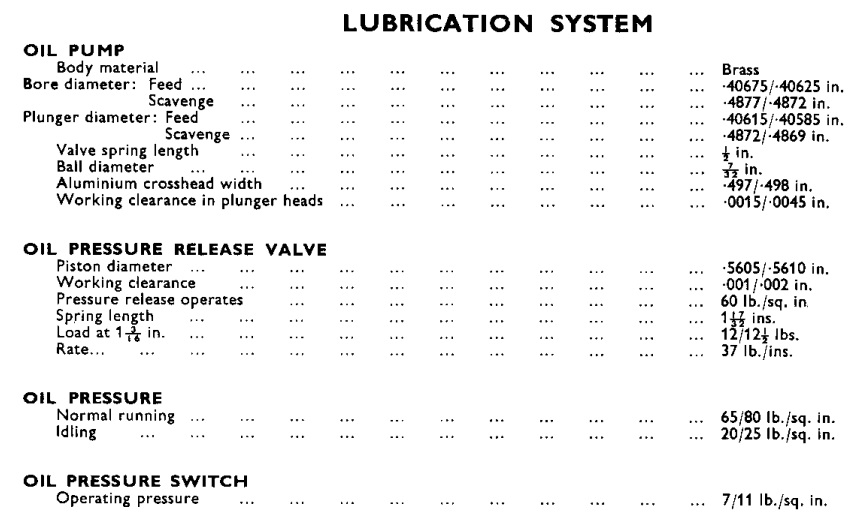
Triumph Scavenge Vacuum: At fast idle, a vacuum gauge connected to the scavenge tube at the case sump plug should read 18–26 inches of mercury.
Shop Oil System Parts at JRC Engineering
- Triumph motorcycle parts — oil pumps, check balls, and gaskets
- BSA motorcycle parts — oil pumps and seals
- Norton motorcycle parts — oil pumps and timing covers
- Anti-Wet-Sump Check Valve — inline feed line fix for chronic wet sumping
- Request the Dunleer dealer pressure tool replica
Have a question about wet sumping or oil pump condition on your British bike? Contact JRC Engineering — we're happy to help diagnose the problem.